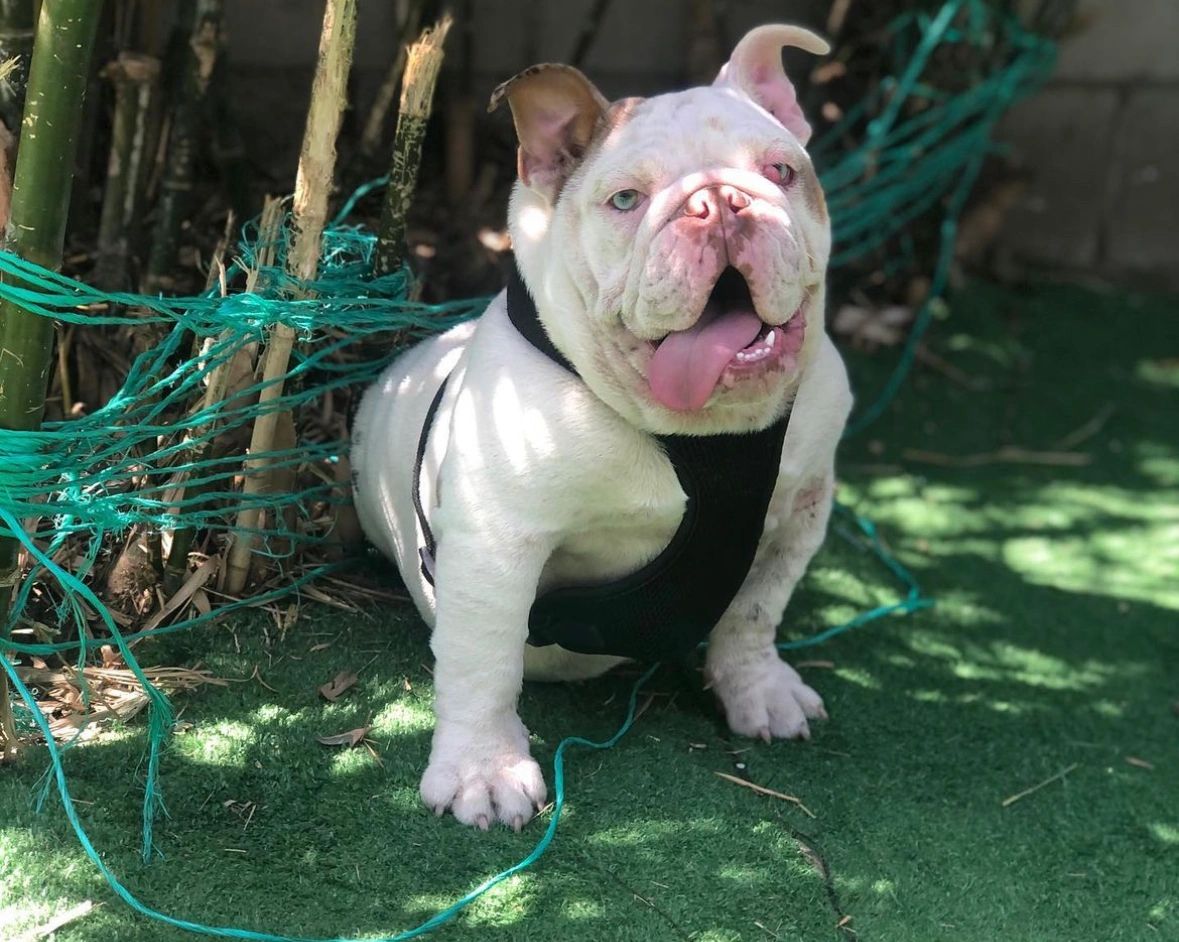
English bulldogs are known for their wrinkles and loose skin. Those features are also why skin problems are one of the most common issues owners face. The good news: a simple daily routine prevents most of them.
Why bulldog skin is sensitive
The folds on a bulldog's face, around the tail, and between the toes trap moisture, food, and bacteria. Warm, damp creases are the perfect place for yeast and bacterial infections. Bulldogs also have a short, fine coat that offers little protection, and many are prone to allergies.
The daily fold routine
- Wipe each fold with a soft, damp cloth or an unscented wipe, especially the nose wrinkle and the tail pocket.
- Dry completely. Moisture left behind causes more problems than dirt.
- Check for trouble: redness, a sour or yeasty smell, or discharge.
- Use a vet-recommended cleanser if your vet suggests one, rather than scented products that can irritate.
It takes two or three minutes a day and saves a lot of vet visits.
Diet and hydration
A good, consistent diet supports healthy skin. Look for complete, balanced food with quality protein and omega-3 fatty acids, and avoid frequent food changes. Keep fresh water available at all times. If your bulldog has recurring itching or ear infections, a food allergy is possible; your vet can guide an elimination diet.
Keeping your bulldog at a healthy weight also helps, since extra weight deepens folds.
When to see the vet
See your vet promptly if you notice:
- Redness or rash that doesn't improve in a day or two
- A strong smell or discharge from a fold
- Constant scratching, licking, or rubbing the face
- Hair loss or scabs
Early treatment keeps a small problem from becoming a long one. Because skin issues tend to recur, it's worth checking whether your pet insurance covers ongoing allergy treatment.