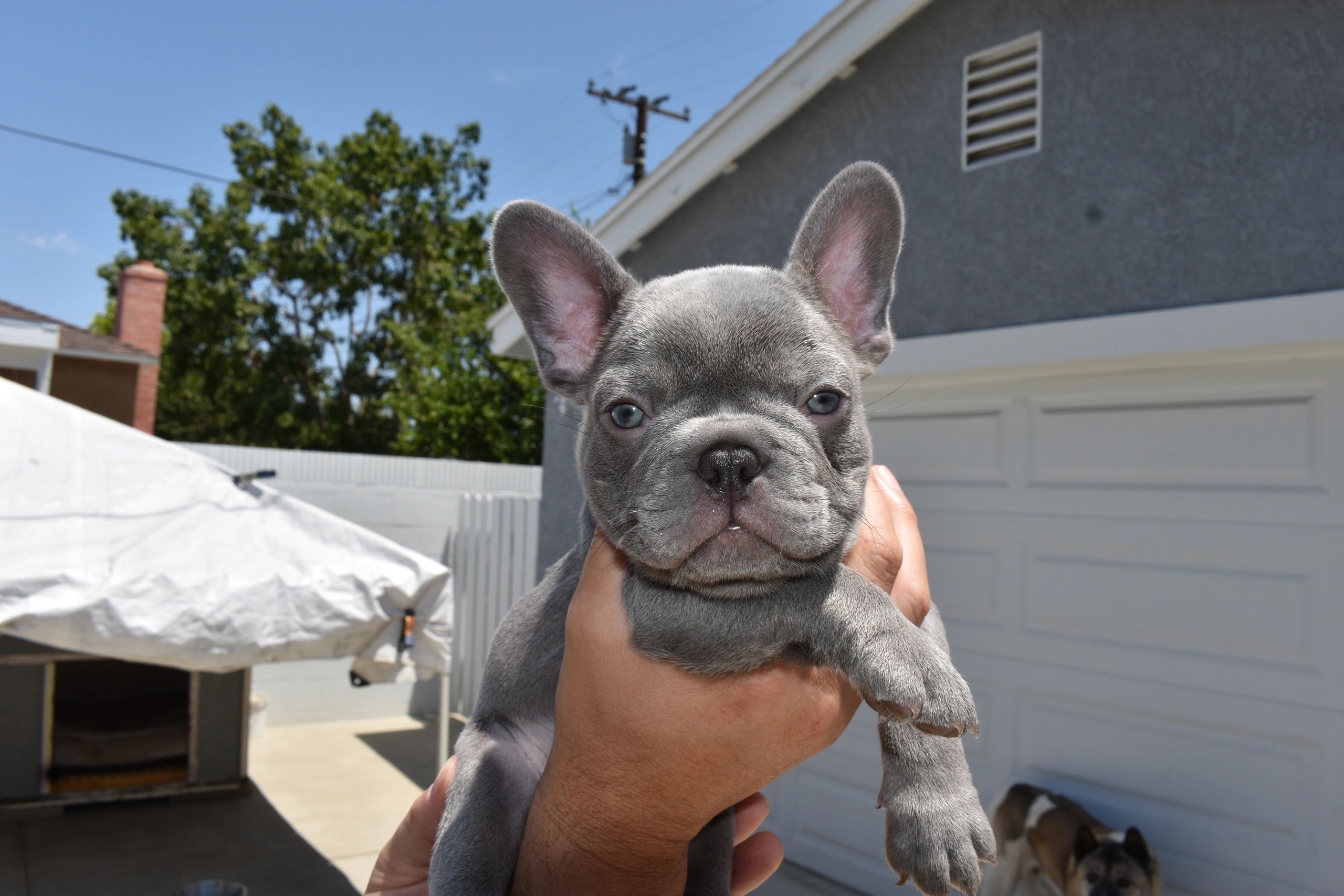
French bulldogs regularly sell for several thousand dollars, and rare colors can go far higher. English bulldogs are similar. Having bred both, here's where that money goes, and why the purchase price is only the beginning.
Why the puppies cost so much
Breeding needs a vet. Most bulldogs can't mate naturally, so breeders rely on artificial insemination, timed with progesterone tests.
Most litters are C-sections. Bulldog puppies' large heads make natural delivery risky, so most litters are delivered surgically. That's a major cost for every litter, and a real risk to the mother.
Litters are small. Bulldogs usually have fewer puppies than many breeds, so costs are spread across fewer puppies.
Health testing. Responsible breeders test parents for airway, heart, spine, and genetic conditions before breeding.
Round-the-clock puppy care. Newborn bulldogs need close watching, and some need bottle feeding.
Color demand. Rare colors like lilac, blue, and merle command higher prices simply because buyers want them.
What owning one costs
The bigger number is often what comes after:
- Vet care. Bulldogs are more prone than most breeds to breathing problems, skin infections, eye conditions, and joint issues.
- Surgery risk. Airway surgery and cherry eye repair are common in the breed.
- Food and supplies. Quality food, skin care wipes, a harness, and a cooling mat.
- Insurance. For many owners, a monthly premium is easier to handle than a surprise surgery bill. See our bulldog insurance guide.
How to avoid overpaying for the wrong puppy
A high price doesn't guarantee a healthy dog, and a low price is often a warning sign. Pay for health testing, a written health guarantee, and a breeder who lets you meet the puppy's mother. Our French bulldog buying guide lists the questions to ask.