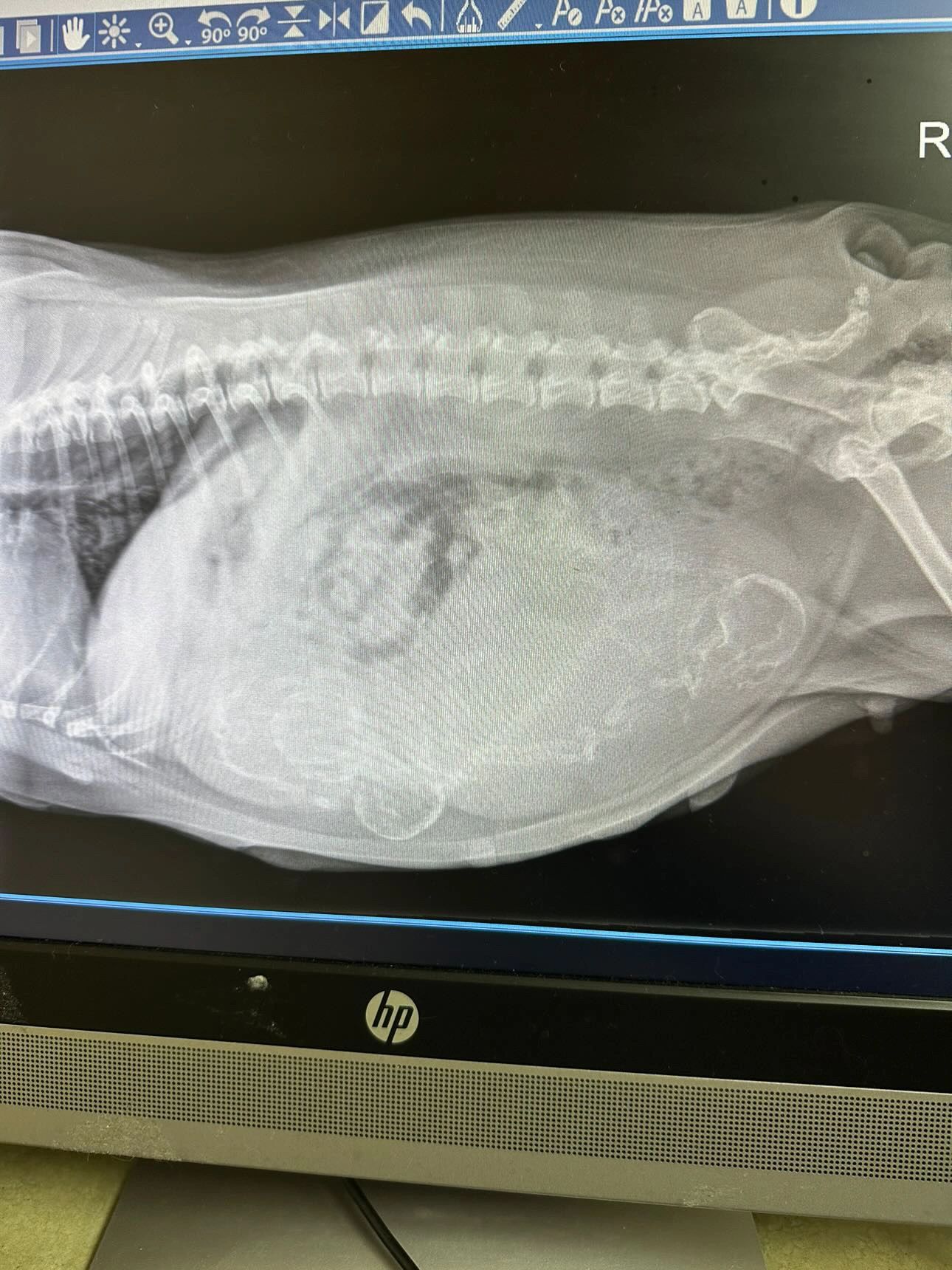
Breeding French bulldogs looks profitable from the outside. From the inside, it's expensive, time-consuming, and risky for the dog you love. Here's what to think through first.
Is your dog a good candidate?
Only healthy dogs should be bred. That means evaluations for airway function, spine, heart, and the genetic conditions relevant to the breed and color, done before any breeding decision. A dog with breathing trouble, back problems, or allergies can pass them on.
The breeding itself
Most French bulldogs can't mate naturally, so breeding usually means progesterone testing to find the right timing and artificial insemination by a vet or trained breeder. It can take more than one attempt.
Pregnancy and delivery
Most French bulldog litters are delivered by planned C-section. You'll need a vet who knows the breed, a plan for the surgery date, and money set aside for emergencies. Anesthesia carries extra risk for flat-faced dogs.
Raising the puppies
Newborns need watching around the clock for the first weeks. Some need bottle feeding. Puppies need vet checks, deworming, and first vaccines before they go home, usually at eight weeks or later.
Finding good homes
A responsible breeder screens buyers, writes contracts, and takes dogs back when life changes. That's a commitment for the life of every puppy.
Color responsibilities
If you breed merle dogs, never pair two merles. DNA-test both parents for color first. Our colors guide explains why.
The bottom line
If you still want to breed after all of this, work with an experienced vet and mentor, and put your dog's health ahead of any litter. Our stud service guide covers what to ask a stud owner.